
Supporting Healthier Pregnancies Through Practical Nutrition Education
One of the goals of our women’s health project is to strengthen the skills of nurses by providing practical guidelines and new approaches to support pregnant women throughout their pregnancies. By equipping nurses with knowledge and practical tools, we can help mothers make informed choices for a healthier pregnancy.
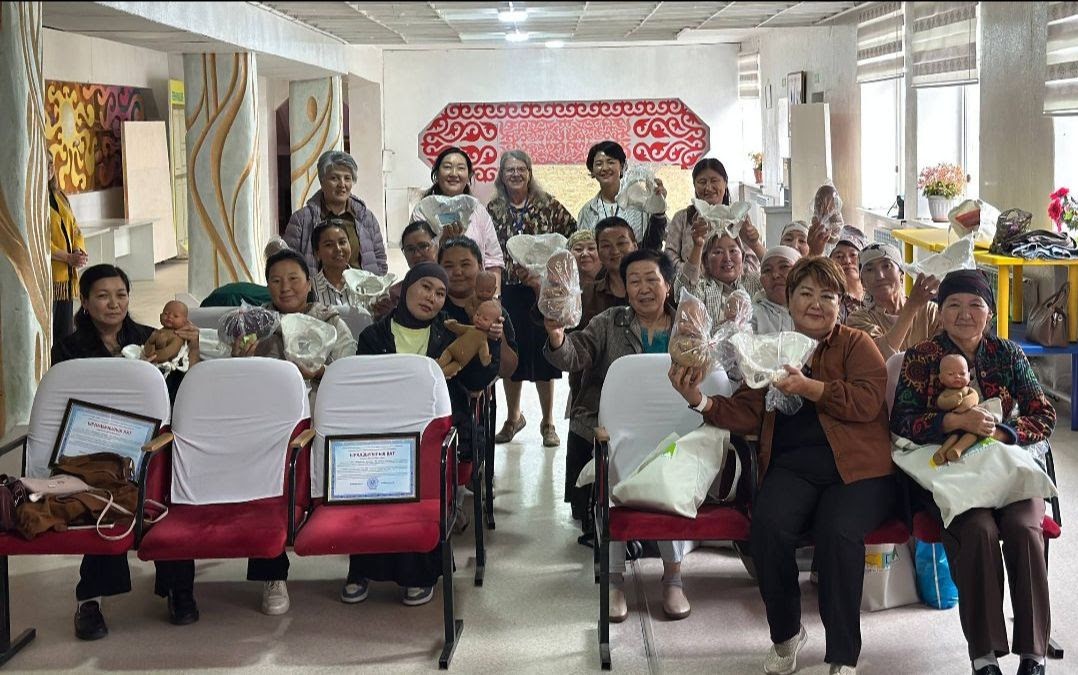
In March, we held a seminar for nurses working in rural and village communities. One of the main topics was the importance of proper nutrition during pregnancy and its role in preventing complications such as pre-eclampsia. To help nurses assess the diets of their pregnant patients, the team introduced daily nutrition logs. Before using the logs with their patients, however, the nurses were encouraged to complete a log themselves. This exercise helped them reflect on their own diets and better understand how the tool could be used in practice.
An important part of a healthy pregnancy diet is getting enough protein. Eggs can be a simple and affordable source of high-quality protein, as they contain all nine essential amino acids needed by the body. During the seminar, the nurses were asked whether women in their villages had access to eggs. Their answer was an enthusiastic yes! Many households keep chickens, making eggs an available and affordable source of nutrition.
A few months after the seminar, the team returned to the village nurses to follow up on their progress and hear about their experiences using the new methods. The nurses shared positive feedback, explaining how the practical exercises from the seminar had helped them assess the diets of pregnant women more effectively and provide more targeted nutritional guidance.
One nurse shared the story of a mother who believed she was eating well. However, when they reviewed her nutrition log together, it showed that her daily diet consisted mainly of bread and tea. This helped the nurse recognize that she needed to explain more clearly what a balanced and nutritious diet actually means. With more specific guidance, the mother was able to improve her protein intake from approximately 25 grams per day to 80 grams.
Another nurse spoke about how their understanding of eggs had changed. Before the training, eggs were not regarded as an important part of a healthy diet or as a good source of protein. After the seminar, the nurses began encouraging pregnant women to include eggs alongside other affordable protein sources, such as lentil soup.
This seminar demonstrated how practical training can equip nurses with new knowledge and effective tools to support pregnant women. By passing this knowledge on to mothers, nurses can help them make simple, affordable choices that contribute to healthier pregnancies.